What is the CCBWQA?
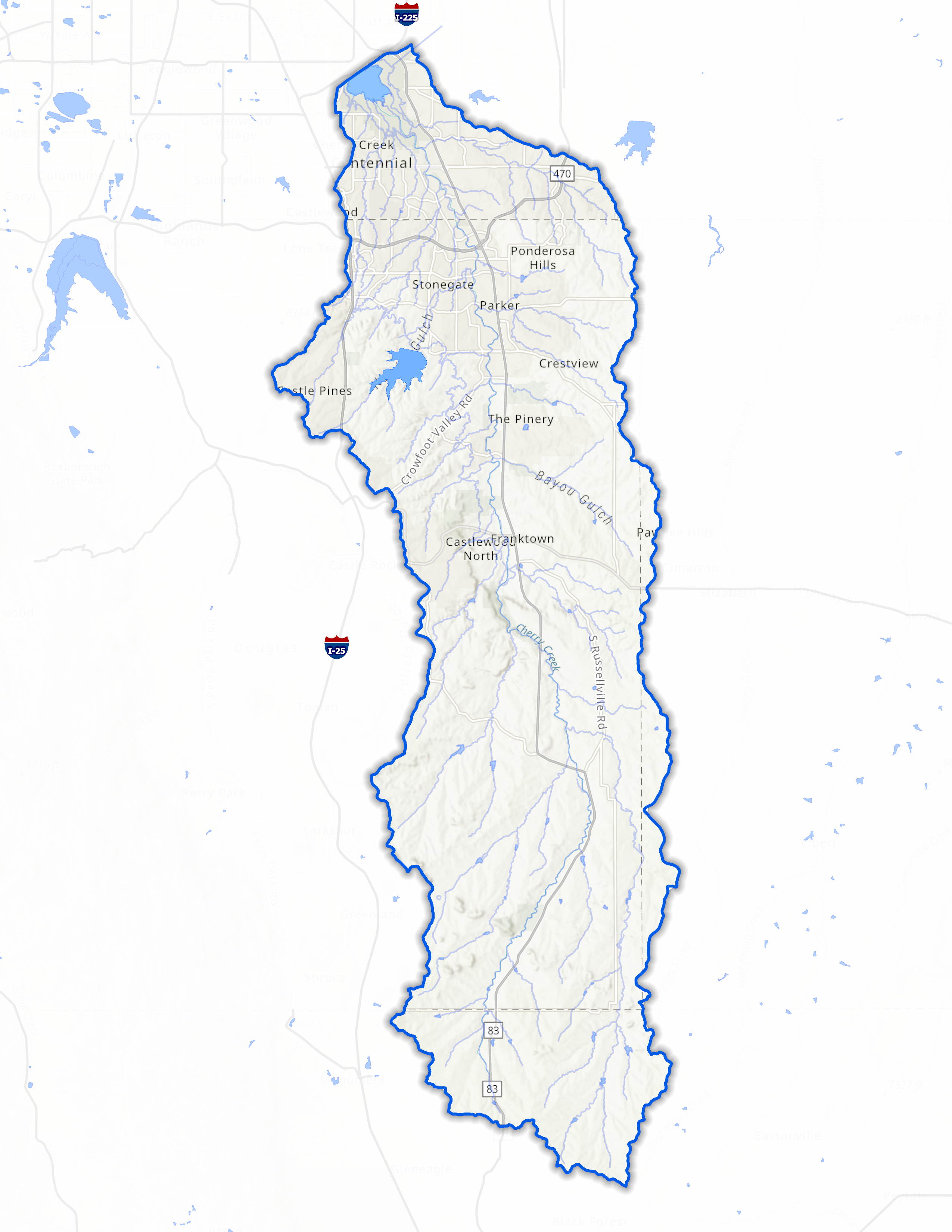
The Cherry Creek Basin Water Quality Authority (CCBWQA) was formed following the completion of a Clean Lakes Study in 1984, which led to the development of our first Master Plan in 1985. Subsequent to the adoption of the Master Plan, the local governments in the Cherry Creek basin formed an Authority by intergovernmental agreement and worked diligently to gain State approval of legislation to create the Cherry Creek Basin Water Quality Authority. That goal was accomplished during the 1988 General Assembly with Governor Roy Romer signing the Cherry Creek Basin Water Quality Authority Statute, House Bill 1029, on April 28, 1988 (C.R.S. 25-8.5-101 et seq.). The Statute was amended in 2002; this is the current version.
CCBWQA is tasked with improving, protecting, and preserving water quality in the reservoir and Cherry Creek for beneficial uses.
CCBWQA is directed by a 17-member Board of Directors supported by a Technical Advisory Committee and other technical experts contracted by CCBWQA. The Board includes representatives from local governments in the watershed and Governor-appointed members.
Beneficial Uses
CCBWQA’s Statute calls for the Authority to benefit the inhabitants and landowners within its boundaries by preserving water quality in Cherry Creek and Cherry Creek Reservoir, and to benefit the people of the State of Colorado by preserving waters for recreation, fisheries, water supplies, and other beneficial uses. Regulation 38 establishes water quality standards to protect designated beneficial uses including warm water aquatic life, recreation, agriculture, and water supply. CCBWQA continues to work diligently to protect beneficial uses as population growth and development increase and park visitation increases.
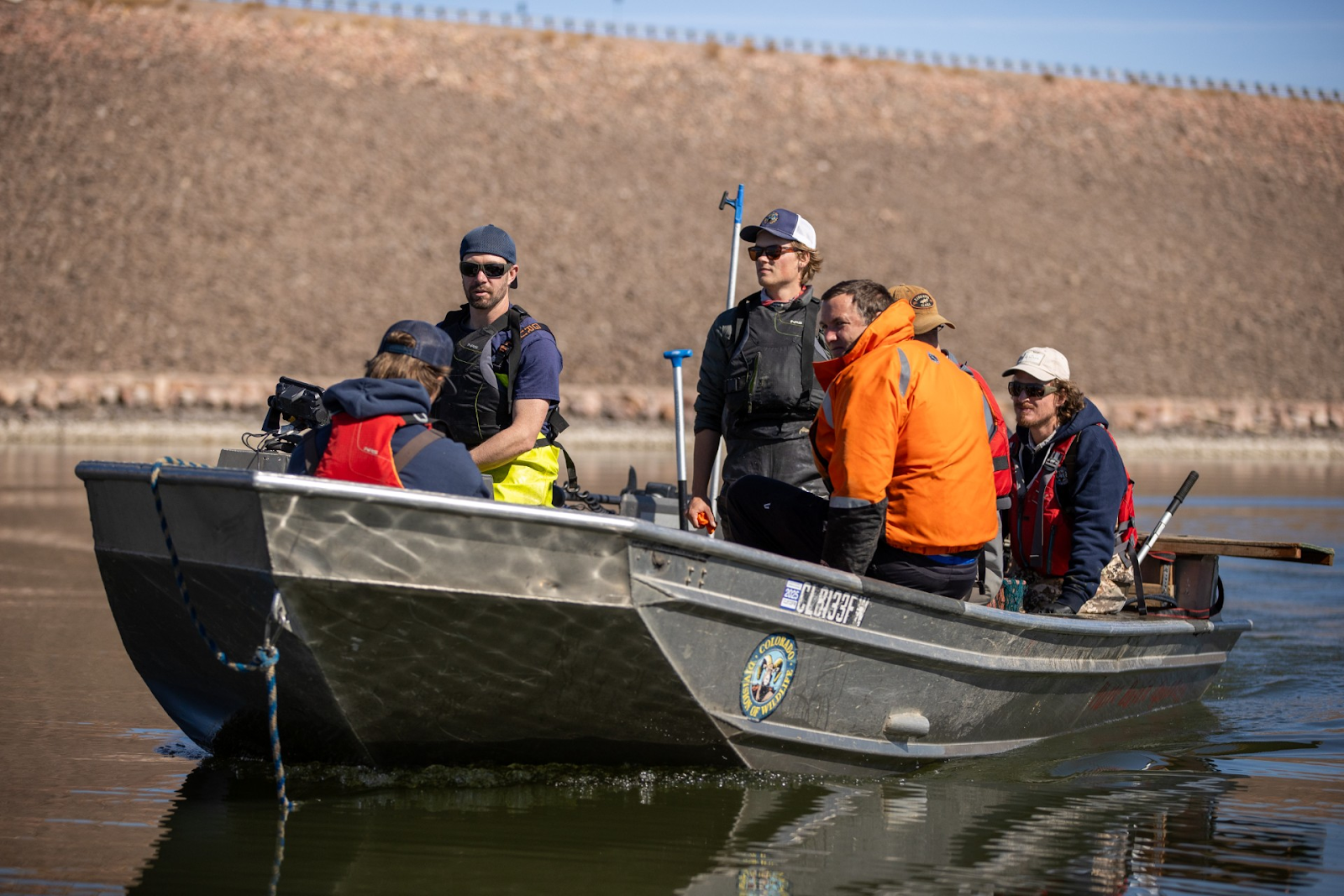
While some of the beneficial uses of the reservoir are evident, some are less known. Each spring, the Cherry Creek Reservoir is one of three Front Range waters that are used to provide fertilized walleye and saugeye eggs to the Colorado Parks and Wildlife (CPW) hatchery system. Saugeyes are a hatchery hybrid cross between walleye and sauger.
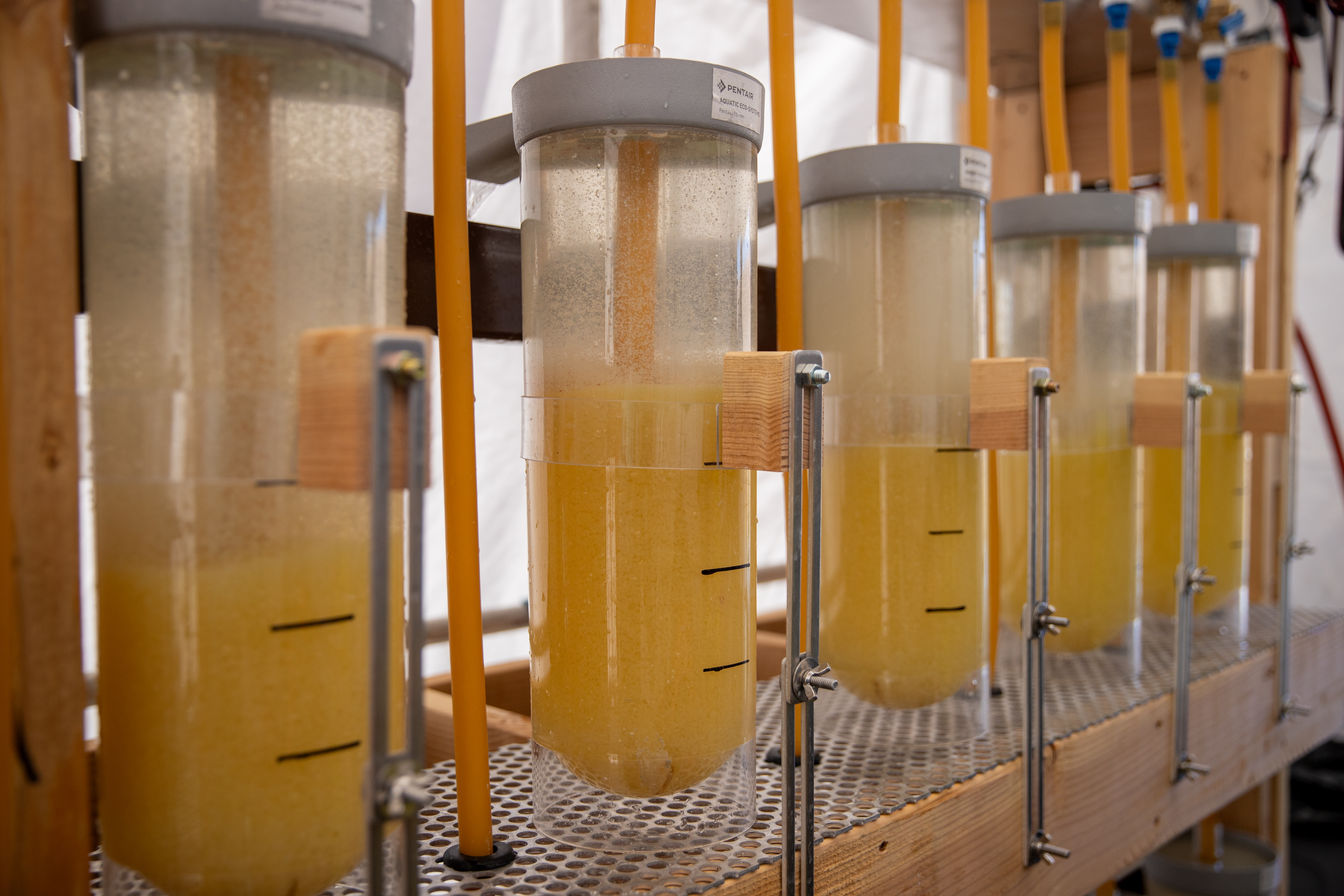
In 2025, a new mobile egg battery designed by CPW aquatic biologists is enhancing Colorado's walleye spawning program by making egg-rinsing more efficient, minimizing human error, and supporting healthier egg yields for statewide fisheries.
"Each year, we’re trying to look at ways to make the walleye spawn more efficient” said Mandi Brandt, CPW Aquatic Biologist for Area 3 – Brush. After seeing a similar system in use, she believed CPW could adapt the idea for Colorado. The new equipment provides a better way to rinse and handle eggs, helping ensure that millions fertilized walleye eggs are able to be used to support stocking programs each year."
The healthy walleye population is evidence that the beneficial uses of the fishery are being protected. In 2025, the reservoir supplied almost 38 million eggs for rearing in the hatcheries to be used in the state stocking program. These eggs contributed to the over 77 million walleye and walleye hybrids stocked across the state in 2025. In addition, over 4.1 million juvenile fish were re-stocked in Cherry Creek Reservoir to maintain healthy populations.
CCBWQA Board
The CCBWQA is governed by a Board of Directors composed of representatives from each member county and municipality, one representative of the special districts within the watershed, and seven appointees of the Governor.
Technical Advisory Committee (TAC)
The role of the TAC is to consider and report to the Board on matters of a scientific or technical nature. CCBWQA’s bylaws allow each entity member (all municipalities, counties, and the special districts) to appoint one representative to serve on the TAC. The Board has also appointed other individuals who represent various public health, educational or public interest groups having an interest in stormwater drainage and water quality in the Cherry Creek basin, and any governmental or quasi-governmental agencies that are not members of CCBWQA, but have an interest in stormwater drainage or water quality in the basin.